Shanky: A Versatile Font for Creative Workflows
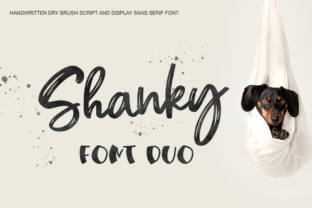
Shanky is a font duo that offers both script and sans-serif styles, making it a flexible choice for designers, marketers, and creators. Its unique characteristics allow for a wide range of applications, from branding to editorial design. Understanding how Shanky fits into your workflow can help you make the most of its potential.
Understanding Shanky and Its Role in Design
Shanky is more than just a font—it's a tool that can enhance your creative process. The script version adds a personal, handcrafted feel, while the sans-serif version provides clarity and modernity. This combination allows for greater flexibility when designing for different mediums and audiences.
When considering font choices, it's important to think about the context in which they will be used. Shanky works well in both digital and print formats, offering a consistent look across platforms. Whether you're creating a logo, a website, or a marketing campaign, Shanky can be integrated seamlessly into your design strategy.
Using Shanky in Different Stages of a Project
Shanky can be utilized at various stages of a project, from initial concept to final execution. During the planning phase, it can serve as a visual reference for branding and typography. This helps ensure that all elements align with the overall aesthetic and message of the project.
During the implementation phase, Shanky can be used to create visual hierarchy and guide the viewer's attention. Its readability in the sans-serif version makes it ideal for body text, while the script version can be used for headings or titles to add a touch of elegance.
In the final stage, Shanky can contribute to the overall quality of the design. Consistency in typography is key to maintaining a professional appearance, and Shanky's dual nature allows for a cohesive look across different elements of a design.
Integrating Shanky with Other Tools and Resources
Shanky works well with other design tools and resources, enhancing the overall workflow. When paired with graphic design software like Adobe Illustrator or Figma, it can be easily applied to mockups, layouts, and prototypes. This integration ensures that your designs remain visually consistent and aligned with your brand identity.
For those working in collaborative environments, Shanky can be shared with team members to maintain a unified design language. This is especially useful in agencies or remote teams where consistency is crucial. By using the same font across all projects, you can streamline the design process and reduce the need for constant revisions.
Practical Tips for Using Shanky Effectively
To get the most out of Shanky, consider the following tips:
- Choose the right variant: Use the script version for creative or expressive elements and the sans-serif version for clear, readable text.
- Experiment with spacing: Adjusting the letter spacing and line height can improve readability and visual appeal.
- Combine with complementary fonts: Pair Shanky with other fonts to create contrast and balance in your designs.
- Test on different backgrounds: Ensure that Shanky looks good on both light and dark backgrounds to maintain visibility and legibility.
Workflow Examples with Shanky
Consider the following scenarios where Shanky can be effectively used:
- Branding: Use the script version for logos and the sans-serif version for taglines or product names. This creates a balanced and professional look.
- Web Design: Apply the sans-serif version for body text to ensure readability, while using the script version for headings to add visual interest.
- Marketing Materials: Incorporate Shanky into brochures, flyers, and social media posts to maintain a cohesive brand image across all channels.
- Editorial Projects: Use the script version for titles and the sans-serif version for body text to create a clean and engaging layout.
Factors to Consider When Using Shanky
Before incorporating Shanky into your workflow, consider the following factors:
- Preparation: Familiarize yourself with the font's characteristics and how it performs in different contexts.
- Compatibility: Ensure that Shanky is compatible with the software and platforms you use for design and publishing.
- Usability: Evaluate how easy it is to access and apply the font in your workflow.
- Organization: Keep your font library organized to quickly locate and apply Shanky when needed.
- Efficiency: Use Shanky in a way that streamlines your design process without adding unnecessary complexity.
- Consistency: Maintain a consistent use of Shanky across all projects to reinforce your brand identity.
- Quality Control: Regularly review your designs to ensure that Shanky is being used effectively and appropriately.
- Long-Term Use: Consider how Shanky will fit into your long-term design strategy and whether it aligns with your evolving needs.
Conclusion: Embracing Shanky in Your Creative Process
Shanky is a powerful font duo that can enhance your creative process and elevate your designs. By understanding how it fits into your workflow and integrating it effectively, you can achieve a more cohesive and professional look. Whether you're working on a small project or a large-scale campaign, Shanky offers the flexibility and versatility needed to meet your design goals.