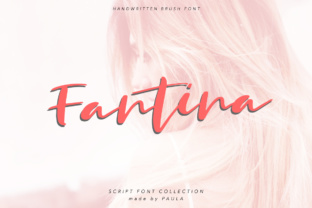
Fantina: A Strategic Choice for Elegant and Versatile Typography
Fantina is more than just a font—it's a thoughtful tool that can elevate the visual language of your projects. As a modern handwritten script, it combines elegance with versatility, making it ideal for both digital and print applications. Whether you're designing a logo, crafting a brand identity, or creating marketing materials, Fantina offers a unique balance of style and functionality. Its fluid strokes and refined character set make it a powerful asset in any designer's toolkit.
Strategically using Fantina can support a wide range of goals, from enhancing brand recognition to improving user engagement. Its handwritten quality adds a personal touch that can resonate with audiences on an emotional level. However, like any design element, its effectiveness depends on how it's applied. Understanding when and how to use Fantina can help you achieve better results in your creative and professional endeavors.
Why Fantina Matters in Strategic Design
In today’s competitive landscape, typography plays a crucial role in shaping perception and communication. Fantina stands out because it brings a sense of authenticity and craftsmanship to any project. Unlike rigid, mechanical fonts, its organic flow suggests creativity and individuality—qualities that can be strategically valuable in branding and content creation.
For entrepreneurs and small business owners, Fantina can be a key differentiator. It allows for a more approachable and humanized brand image, which can be especially beneficial in industries where trust and connection are essential. For marketers, it provides a way to convey personality without sacrificing professionalism. In educational or creative contexts, it can make information more engaging and memorable.
The strategic value of Fantina lies in its ability to align with specific objectives. Whether you're aiming to create a cohesive brand identity, improve customer experience, or streamline communication, this font can serve as a foundational element of your design strategy.
When to Use Fantina: Practical Scenarios
Fantina is best suited for projects that require a blend of sophistication and warmth. It works well in logos, headings, and titles where a personal touch is desired. For example, a boutique brand might use Fantina to emphasize artisanal qualities, while a nonprofit organization could leverage it to evoke empathy and sincerity.
It also shines in digital environments such as websites, social media posts, and email campaigns. When used sparingly, it can draw attention to key messages without overwhelming the reader. In print, it adds a tactile quality to brochures, packaging, and signage, making them more visually compelling.
However, it's important to consider the context. Fantina may not be the best choice for large blocks of text, as its cursive style can reduce readability. Instead, it should be used in short, impactful phrases where its aesthetic appeal can enhance the overall message.
How to Approach Fantina: Planning and Execution
Before incorporating Fantina into your design, take time to plan its role within the broader strategy. Ask yourself: What message do I want to convey? Who is my target audience? How does this font align with my brand values?
A practical approach involves testing Fantina in different formats. Create mockups or prototypes to see how it interacts with other design elements. Pay attention to spacing, contrast, and legibility. This step ensures that the font enhances rather than hinders the overall composition.
Another consideration is consistency. If you're using Fantina in multiple projects, maintain a cohesive application across all platforms. This helps reinforce brand recognition and avoids confusion among your audience.
Strategic Observations: Maximizing Value with Fantina
One of the most effective ways to use Fantina is to pair it with complementary typefaces. For instance, combining it with a clean sans-serif font can create a balanced visual hierarchy that guides the reader's eye naturally. This combination is particularly useful in presentations, reports, and web layouts where clarity is key.
Additionally, consider the cultural and emotional associations of handwriting. Fantina can evoke a sense of intimacy and authenticity, which can be leveraged in storytelling, customer communications, and community-building efforts. By understanding these nuances, you can use the font more intentionally and effectively.
From a long-term perspective, Fantina can contribute to a stronger brand identity. Its unique character helps differentiate your work from competitors, making it easier for your audience to remember and connect with your message.
Risks of Using Fantina Without Clear Intent
While Fantina is versatile, it's not a one-size-fits-all solution. Using it without a clear purpose can lead to visual clutter and confusion. For example, overusing it in large text blocks or mixing it with too many other fonts can dilute its impact and reduce readability.
Another risk is misalignment with brand messaging. If your brand is meant to convey professionalism or authority, Fantina might not be the best fit. It's important to ensure that the font supports, rather than contradicts, your overall communication strategy.
Without proper planning, the font can become a distraction rather than an asset. This is why it's crucial to approach its use with intention and awareness of its strengths and limitations.
Decision-Making Guidance: Choosing Fantina Wisely
When deciding whether to use Fantina, start by evaluating your goals. Are you looking to add a personal touch, enhance visual appeal, or strengthen brand identity? If the answer aligns with the font's characteristics, then it's worth considering.
Also, think about your audience. Does your target demographic respond positively to handwritten styles? If your brand caters to a younger, more casual audience, Fantina may be a great fit. For more formal or traditional industries, a different typeface might be more appropriate.
Finally, don't hesitate to seek feedback. Share your designs with colleagues, clients, or focus groups to gauge their reactions. This step can provide valuable insights and help refine your approach before finalizing any project.
Long-Term Value: Building with Fantina
Intentional use of Fantina can yield long-term benefits for your brand and projects. By consistently applying it in a strategic manner, you can build a recognizable visual identity that resonates with your audience. This consistency helps foster trust and loyalty over time.
Moreover, Fantina can be a valuable asset in evolving your design strategy. As trends shift and new opportunities arise, having a flexible yet distinctive font can give you the adaptability needed to stay relevant and competitive.
Ultimately, Fantina is not just a design choice—it's a strategic decision that can influence how your message is perceived and received. When used thoughtfully, it can become a cornerstone of your creative and professional success.