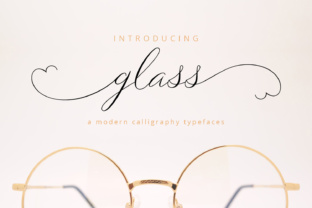
Glass Script: A Timeless Font for Elegant Design
Glass Script is more than just a font—it's a design statement. With its elegant swashes and clean lines, it brings a sense of sophistication to any project. Whether you're creating wedding invitations, designing menus, or crafting inspirational quotes, Glass Script offers a versatile and stylish solution. But while its beauty is undeniable, using it effectively requires attention to detail and an understanding of its strengths and limitations.
What Makes Glass Script Unique?
Glass Script stands out for its balance between modern simplicity and traditional elegance. The font features fluid, flowing letters with subtle embellishments that add character without overwhelming the design. This makes it ideal for projects where readability and aesthetics are both important. Its versatility allows it to work well in both digital and print formats, making it a popular choice among designers, entrepreneurs, and creatives.
One of the reasons people gravitate toward Glass Script is its ability to convey a sense of refinement. It’s often used in wedding invitations because it adds a touch of class, but it also works well for branding, logos, and personal projects. However, not everyone understands how to use it effectively, which can lead to less-than-optimal results.
Common Mistakes When Using Glass Script
Many users assume that because Glass Script looks beautiful, it will automatically enhance their design. This is a common misconception. The font’s elegance can be easily overshadowed by poor typographic choices, such as using it in large blocks of text or pairing it with incompatible fonts.
Another mistake is not considering the context in which the font will be used. For example, while Glass Script may look great on a wedding invitation, it might not be the best choice for a menu that needs to be read quickly. The script style can make small text harder to read, especially in low-light conditions or on screens with lower resolution.
Some users also overlook the importance of proper spacing and alignment. Because of its flowing nature, Glass Script can appear cluttered if not properly spaced. This can affect readability and overall visual appeal, especially in designs that require clarity and precision.
How to Avoid These Mistakes
To get the most out of Glass Script, start by understanding its intended use. Use it for short phrases, headings, or decorative elements rather than long paragraphs. This ensures that its aesthetic qualities shine without compromising legibility.
When pairing Glass Script with other fonts, choose complementary styles that don’t clash. A sans-serif font like Arial or Helvetica can provide a nice contrast, making the script stand out while maintaining balance. Avoid using too many different fonts in one design, as this can create visual chaos.
Pay attention to typography basics such as line height, letter spacing, and paragraph alignment. These details can significantly impact how the font looks and feels. If you’re unsure, test your design on different devices and in various lighting conditions to ensure it remains readable and visually appealing.
Key Considerations Before Using Glass Script
Before incorporating Glass Script into your project, consider the following factors:
- Readability: Ensure that the font remains legible at the intended size and in the chosen medium.
- Context: Think about the purpose of your design and whether Glass Script aligns with the message you want to convey.
- Compatibility: Check that the font works well with other design elements, including colors, images, and layouts.
- License: Make sure you have the appropriate license for commercial use, especially if you're working on a business-related project.
These considerations help ensure that your use of Glass Script is both effective and professional. They also prevent costly mistakes that could arise from overlooking important details.
Realistic Examples and Better Approaches
Imagine you're designing a wedding invitation. Instead of using Glass Script for the entire text, use it for the couple's names and the event title. Pair it with a simpler font for the date, location, and RSVP details. This approach maintains elegance while ensuring clarity.
For a restaurant menu, consider using Glass Script for the dish names and descriptions, but keep the pricing and instructions in a more straightforward typeface. This helps guide the reader through the menu without causing confusion.
In a branding project, use Glass Script for logos or taglines, but avoid overusing it in other areas. This creates a cohesive look that highlights the font’s unique qualities without overwhelming the viewer.
Final Thoughts on Glass Script
Glass Script is a powerful tool for adding elegance and style to your designs. However, its success depends on how it's used. By avoiding common mistakes and focusing on practical application, you can maximize its benefits and create visually stunning work.
Remember, the goal is not just to use a beautiful font, but to use it wisely. Take the time to understand its characteristics, test it in different scenarios, and make thoughtful design choices. With the right approach, Glass Script can elevate your projects and leave a lasting impression.