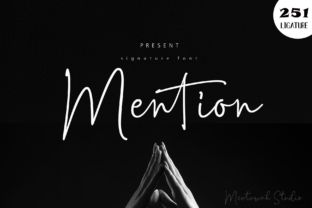
Mention: A Signature Font for Modern Design and Strategic Communication
In the world of design, typography plays a crucial role in shaping how messages are perceived. One font that has gained attention for its unique blend of elegance and modernity is Mention. This signature font combines classic calligraphy with a contemporary aesthetic, offering a versatile tool for professionals across various industries. Whether you're crafting a brand identity, designing marketing materials, or creating content for digital platforms, Mention can elevate your work with its distinctive style.
What sets Mention apart is its dancing baseline—a subtle yet powerful feature that adds movement and visual interest to text. This characteristic makes it ideal for projects where a touch of sophistication and creativity is needed without overwhelming the viewer. By understanding how to strategically use Mention, you can enhance your communication, reinforce your brand, and achieve more impactful results.
Why Mention Matters in Modern Design
Typography isn’t just about readability; it’s about conveying tone, personality, and intent. Mention offers a balance between traditional craftsmanship and modern simplicity, making it suitable for both professional and creative contexts. Its fluid strokes and dynamic baseline allow it to stand out while maintaining legibility, which is essential for effective communication.
For entrepreneurs and small business owners, Mention can be a strategic choice when building a brand identity. It provides a sense of authenticity and artistry that resonates with audiences looking for something beyond the standard sans-serif or serif fonts. When used thoughtfully, it can differentiate a brand in a crowded market and create a memorable impression.
Marketers and content creators also benefit from Mention’s versatility. Whether it’s for social media posts, email campaigns, or website headers, this font adds a layer of visual appeal that can capture attention and drive engagement. However, its effectiveness depends on how well it aligns with the overall design strategy and audience expectations.
Strategic Use Cases for Mention
Mention is most effective when used with intention and purpose. Here are some practical scenarios where it can make a meaningful impact:
- Brand Identity: Incorporate Mention into logos, stationery, and packaging to create a cohesive and sophisticated brand image.
- Marketing Materials: Use it in headlines, taglines, and promotional content to add a touch of elegance and uniqueness.
- Web Design: Apply Mention to headings or key phrases on websites to draw attention and enhance user experience.
- Printed Content: Utilize it in brochures, flyers, and presentations to convey professionalism and creativity.
When considering Mention, it’s important to think about the context in which it will be used. For instance, while it may be perfect for a luxury brand, it might not be the best choice for a tech startup aiming for a minimalist look. Understanding your audience and the message you want to convey is key to leveraging Mention effectively.
Planning and Implementation Tips
To get the most out of Mention, start by defining your goals and audience. Ask yourself: What do I want to communicate? Who is my target reader? How does this font align with my brand’s voice?
Once you have a clear direction, consider the following steps:
- Test the Font: Experiment with Mention in different sizes and formats to see how it performs in various contexts.
- Pair It Wisely: Combine Mention with complementary fonts to maintain balance and readability.
- Use It Sparingly: Avoid overusing Mention in large blocks of text. It works best as a highlight or accent rather than the primary typeface.
- Consider Accessibility: Ensure that the font remains legible, especially for users with visual impairments.
By planning your use of Mention ahead of time, you can avoid common pitfalls such as poor readability or mismatched design elements. This proactive approach helps ensure that your final output meets both aesthetic and functional goals.
Risks of Using Mention Without Clarity
While Mention offers many benefits, it’s important to recognize the risks of using it without a clear purpose. Randomly applying this font without considering its impact can lead to confusion, inconsistency, or even a negative perception of your brand.
One potential risk is overuse. If Mention is used too frequently or inappropriately, it can become distracting rather than enhancing. Similarly, if it doesn’t align with your brand’s overall style, it may send mixed signals to your audience.
Another consideration is the technical aspect. Some platforms or devices may not render Mention correctly, which could affect the user experience. Always test your designs across different mediums to ensure consistency and quality.
Ultimately, the success of Mention depends on how well it’s integrated into your broader design and communication strategy. Without a clear plan, it may fail to deliver the desired results.
Long-Term Value of Intentional Typography
Typography is more than just an aesthetic choice—it’s a strategic decision that influences how your message is received. Mention can contribute to long-term value when used intentionally, helping to build a strong brand presence and improve customer engagement.
For professionals looking to establish authority and credibility, Mention can serve as a visual representation of their commitment to quality and creativity. Over time, consistent and thoughtful use of this font can reinforce brand recognition and foster trust with your audience.
Additionally, Mention supports a more personalized approach to communication. By choosing a font that reflects your values and vision, you can create a deeper connection with your audience and stand out in a competitive landscape.
Conclusion: Making Informed Decisions with Mention
Mention is more than just a font—it’s a tool for strategic expression. Its unique combination of classic calligraphy and modern design makes it a valuable asset for professionals across various fields. However, its true potential lies in how it’s used.
By approaching Mention with clarity, purpose, and a focus on your goals, you can unlock its full capabilities. Whether you’re building a brand, creating content, or designing for digital or print, Mention offers a way to elevate your work and make a lasting impression.
Remember, the key to successful typography is not just about choosing the right font, but about using it in a way that aligns with your overall strategy and values. With Mention, that alignment can lead to more effective communication, stronger branding, and better results.