Qailitha Script: A Dynamic Brush Font for Creative Expression
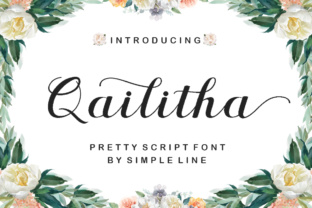
The Qailitha Script is more than just a font—it's a powerful tool for anyone looking to add a unique, organic flair to their design work. With its energetic and fluid style, this brush font offers a fresh alternative to the standard typefaces that dominate digital and print media. Whether you're creating a logo, designing a poster, or crafting an invitation, Qailitha Script can elevate your project with its natural, hand-drawn aesthetic.
But while the font’s appeal is clear, there are several common pitfalls that users may encounter when working with it. Understanding these challenges and knowing how to avoid them can make a significant difference in the final outcome of your designs.
Common Mistakes When Using Qailitha Script
One of the most frequent mistakes people make when using Qailitha Script is not considering its readability. While the font’s flowing strokes are visually appealing, they can sometimes be difficult to read in small sizes or when used in dense blocks of text. This can lead to a lack of clarity in your message, especially if the font is being used for body copy rather than headlines or titles.
Another common oversight is not testing the font across different platforms and devices. Qailitha Script may look stunning on your computer screen, but it might not render the same way on mobile devices or printed materials. This discrepancy can affect the overall quality of your design and lead to inconsistencies in presentation.
Some users also fail to consider the context in which they’re using the font. While Qailitha Script works well for creative projects, it may not be suitable for formal or professional settings where a more traditional typeface would be more appropriate. Choosing the wrong font for the wrong purpose can undermine the effectiveness of your design and confuse your audience.
Why Readability Matters
Readability is a critical factor in any design project, regardless of the font you choose. Even the most beautiful typeface won’t serve its purpose if it’s too hard to read. For Qailitha Script, this means avoiding using it in long paragraphs or low-contrast environments. Instead, use it for headings, logos, or short phrases where its visual impact can shine without compromising legibility.
If you’re unsure about how readable the font is, try using it in different sizes and backgrounds. Test it on both light and dark themes, and see how it performs in various contexts. This will help you determine whether it’s the right choice for your specific project.
Checking Compatibility Before Use
Before downloading or purchasing Qailitha Script, it’s essential to check its compatibility with your design software. Not all fonts work seamlessly with every application, and some may require additional steps to install or activate. Make sure the font format (such as OTF or TTF) is supported by your preferred design tools, like Adobe Illustrator, Photoshop, or Canva.
Additionally, verify the licensing terms. Some fonts come with restrictions on commercial use, which could limit your ability to use them in certain projects. Always review the license agreement carefully to ensure you’re compliant and avoid any legal issues down the line.
Choosing the Right Context for Qailitha Script
Understanding the right context for Qailitha Script can help you make better design decisions. For instance, using it in a logo can add a sense of movement and creativity, making your brand stand out. However, using it in a business report or a technical document may appear unprofessional and distract from the content.
Consider the tone and purpose of your project before selecting the font. If you’re aiming for a modern, artistic feel, Qailitha Script is an excellent choice. But if you need a more structured and formal appearance, you may want to pair it with a complementary serif or sans-serif font for balance.
Practical Tips for Better Results
To get the most out of Qailitha Script, start by experimenting with different styles and layouts. Try varying the spacing, size, and color to see how the font responds. This will help you discover what works best for your specific needs.
Another effective approach is to combine Qailitha Script with other fonts. Pairing it with a clean, neutral typeface can create contrast and improve readability without sacrificing visual interest. For example, using Qailitha Script for a headline and a simple sans-serif font for the body text can produce a polished and professional look.
What to Check Before Making a Decision
Before committing to Qailitha Script, take the time to evaluate its suitability for your project. Ask yourself: Does the font match the tone and message of my design? Is it easy to read in the intended format? Will it work across different platforms and devices?
Also, consider the availability of support or resources. Some fonts come with tutorials, sample files, or community forums that can help you get the most out of your purchase. These resources can be invaluable, especially if you’re new to working with brush fonts.
Final Thoughts on Qailitha Script
Qailitha Script is a versatile and expressive font that can bring life and energy to your designs. However, like any tool, it requires thoughtful use to achieve the best results. By avoiding common mistakes, checking compatibility, and choosing the right context, you can unlock its full potential and enhance your creative projects.
Whether you’re a designer, marketer, or hobbyist, taking the time to understand and apply Qailitha Script properly can make a big difference in the quality and impact of your work. With the right approach, this dynamic brush font can become a valuable asset in your design toolkit.