Rainbow Colors and Their Impact on Design and Creativity
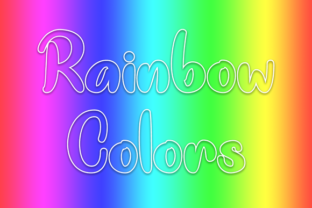
Rainbow colors have long captivated the human imagination, symbolizing hope, diversity, and joy. When it comes to design, these vibrant hues can transform a simple project into something truly eye-catching. The Rainbow Colors typeface is a prime example of how color and typography can work together to create a unique visual experience. This cartoon-style font brings a playful energy to any design, making it an ideal choice for creative professionals and hobbyists alike.
Whether you're working on a children's book, a marketing campaign, or a personal art project, Rainbow Colors offers a fresh and engaging way to express your ideas. Its whimsical appearance adds a sense of fun that can elevate the overall aesthetic of your work. The font’s bold outlines and colorful appeal make it perfect for projects that aim to engage younger audiences or convey a lighthearted message.
The Versatility of Rainbow Colors in Creative Projects
One of the most appealing aspects of Rainbow Colors is its versatility. This typeface can be used across a wide range of applications, from digital illustrations to printed materials. Its cartoon-like design makes it particularly well-suited for coloring books, where the ability to add color and texture enhances the user experience. The font’s clean lines and distinct shapes allow for easy customization, giving artists and designers the freedom to experiment with different color schemes and effects.
In addition to coloring books, Rainbow Colors is also a great choice for educational materials, such as flashcards or interactive learning tools. The bright and cheerful appearance of the font can help capture attention and make learning more enjoyable. For educators and content creators, this typeface provides a valuable resource for developing engaging and visually appealing materials that resonate with students of all ages.
For those looking to incorporate Rainbow Colors into their workflow, there are several practical considerations to keep in mind. The font’s style may not be suitable for formal or professional settings, where a more traditional typeface might be preferred. However, in creative and informal contexts, it can serve as a powerful tool for expressing personality and creativity.
How Rainbow Colors Enhances Visual Storytelling
Visual storytelling is an essential part of many creative projects, and Rainbow Colors can play a key role in bringing narratives to life. The font’s playful and expressive nature allows it to complement a wide range of visual elements, from illustrations to animations. By using Rainbow Colors, designers can create a cohesive and engaging visual identity that supports the story they want to tell.
Consider a children’s storybook that features a magical world filled with colorful characters and fantastical landscapes. Using Rainbow Colors for the text can help reinforce the whimsical tone of the story, making it more immersive and captivating for young readers. Similarly, in a digital animation or video game, this font can be used to label characters, locations, or dialogue, adding a touch of charm and personality to the overall design.
Another benefit of Rainbow Colors is its ability to stand out in a crowded visual landscape. In a world where attention spans are short and competition is fierce, having a distinctive and memorable design can make a significant difference. The font’s bold and colorful appearance ensures that it will catch the eye and leave a lasting impression on viewers.
Practical Applications and Recommendations
If you’re considering using Rainbow Colors in your next project, there are several practical steps you can take to get the most out of this unique typeface. Start by experimenting with different color combinations to see how they interact with the font’s design. The contrast between the bold outlines and the vibrant colors can create striking visual effects that enhance the overall impact of your work.
For users who prefer a filled version of the font, Good Unicorn offers a similar style with additional details that can add depth and dimension to your designs. This alternative can be especially useful for projects that require more intricate visuals or a more polished look. By exploring both options, you can choose the one that best fits your creative goals and aesthetic preferences.
When working with Rainbow Colors, it’s also important to consider the context in which it will be used. For example, if you’re designing a website or social media post, you’ll want to ensure that the font is legible and doesn’t interfere with the readability of the content. Testing the font in different sizes and formats can help you determine the best way to integrate it into your design.
Ultimately, Rainbow Colors is more than just a typeface—it’s a tool for expressing creativity and adding personality to your work. Whether you’re a designer, artist, educator, or hobbyist, this font offers a fun and flexible way to bring your ideas to life. By embracing its unique qualities, you can create designs that are not only visually appealing but also meaningful and impactful.