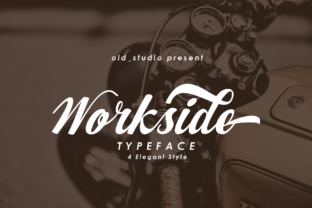
Workside Script: Modern Typography with Vintage Charm
Workside Script is a versatile and stylish font that blends modern design with a touch of vintage elegance. Its clean lines and subtle curves make it ideal for a wide range of creative projects, from branding to digital content. Whether you're a designer, marketer, or content creator, Workside Script offers a fresh approach to typography that can elevate your work.
This script font is designed with both functionality and aesthetics in mind. It comes in two main versions—regular and shadow—each available in slant and shadow slant styles. This flexibility allows users to experiment with different visual effects while maintaining readability and consistency across their designs.
Why Workside Script Stands Out
What makes Workside Script unique is its ability to bridge the gap between traditional and contemporary typefaces. It draws inspiration from classic Gothic fonts but updates them with a modern sensibility. The result is a font that feels both familiar and innovative, making it a great choice for those looking to add character without sacrificing clarity.
The regular version of Workside Script is perfect for headings, logos, and titles where a bold yet elegant look is needed. The shadow version adds depth and dimension, making it ideal for creating visual interest in text-heavy layouts. The slant and shadow slant variations offer additional options for dynamic compositions, allowing designers to play with angles and contrast.
One of the key advantages of Workside Script is its compatibility with other fonts. It pairs well with both serif and sans-serif typefaces, making it easy to mix and match for a cohesive design. This versatility is especially useful when working on multi-platform projects, such as websites, social media graphics, or print materials.
Creative Applications of Workside Script
Workside Script is not limited to a single use case. Its adaptability makes it suitable for various creative fields, including graphic design, web development, and content creation. Here are a few practical examples of how it can be applied:
- Branding and Logos: Use Workside Script for brand names or taglines to create a memorable and distinctive identity. Its vintage flair can give a brand a timeless feel, while its modern structure ensures it remains relevant.
- Web Design: Incorporate Workside Script into website headers or call-to-action buttons to draw attention and add visual appeal. The font's legibility at different sizes makes it a good choice for digital interfaces.
- Social Media Content: Apply Workside Script to Instagram posts, Facebook banners, or Twitter headers to stand out in crowded feeds. Its stylized appearance can help convey a brand's personality more effectively.
- Print Materials: Use Workside Script in brochures, business cards, or posters to add a professional and artistic touch. The shadow version can enhance the depth of printed designs, making them more engaging.
For bloggers and content creators, Workside Script can be used to highlight key points or introduce sections in a visually appealing way. When paired with a simple sans-serif font, it can create a balanced and readable layout that keeps readers engaged.
Adapting Workside Script for Different Audiences
Workside Script's flexibility allows it to be tailored for various audiences and contexts. For instance, a small business owner might use the regular version for a logo to convey professionalism and creativity. Meanwhile, a designer could use the shadow slant style for a more dramatic effect in a portfolio piece.
Marketers can leverage Workside Script to craft compelling headlines for campaigns or advertisements. The font's vintage aesthetic can evoke nostalgia, which can be a powerful tool in storytelling and brand messaging. At the same time, its modern structure ensures it doesn't feel outdated or too gimmicky.
Educators and publishers may find Workside Script useful for creating engaging educational materials or book covers. Its readability and stylistic elements can make learning resources more visually appealing, helping to capture the attention of students or readers.
Best Practices for Using Workside Script
To get the most out of Workside Script, consider the following tips:
- Use It Sparingly: While Workside Script is visually striking, it works best when used in moderation. Overusing it can lead to cluttered or confusing designs. Limit its use to key areas like headings or accents.
- Pair It Wisely: Choose complementary fonts that enhance rather than compete with Workside Script. A clean, neutral font often provides the best contrast and balance.
- Test at Different Sizes: Ensure that Workside Script remains legible at various sizes, especially if it will be used in both digital and print formats. Adjust spacing or line height as needed for optimal readability.
- Experiment with Styles: Try different versions of the font—regular, shadow, slant, and shadow slant—to see which best suits your project. Each variation offers a unique visual effect that can influence the overall tone of your work.
By following these guidelines, users can maintain a consistent and effective design language while still taking advantage of the font's creative potential.
Conclusion: A Versatile Tool for Creative Expression
Workside Script is more than just a font—it's a tool for creative expression that can enhance a wide range of projects. Its blend of vintage charm and modern design makes it a valuable addition to any designer's toolkit. Whether you're working on a personal project or a professional campaign, Workside Script offers the flexibility and style needed to make your work stand out.
By understanding its features and applications, users can unlock new possibilities for visual storytelling and design. With the right approach, Workside Script can become a go-to font for adding character, clarity, and creativity to any project.