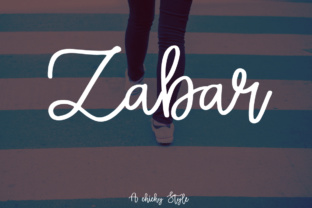
Zabar: A Handwritten Font That Elevates Your Creative Projects
When it comes to typography, the right font can make all the difference in how your message is received. Zabar is a unique handwritten font that has gained popularity for its elegant, organic feel. Whether you're designing wedding invitations, crafting blog headers, or creating book covers, Zabar offers a personal touch that sets your work apart. But like any design tool, using Zabar effectively requires more than just choosing the font—it involves understanding its strengths, limitations, and best practices.
What Is Zabar and Why It Matters
Zabar is a stylized handwritten font that mimics the natural flow of pen and ink. Its irregular shapes and subtle variations give it a human, authentic quality that digital fonts often lack. This makes it ideal for projects that require a warm, personal tone. From wedding stationery to branding materials, Zabar adds a sense of craftsmanship and individuality.
However, not all projects are suited for this kind of font. While it works well for creative or artistic applications, it may not be the best choice for formal documents or large blocks of text where readability is critical. Understanding when and how to use Zabar is key to leveraging its full potential.
Common Mistakes When Using Zabar
One of the most frequent mistakes users make with Zabar is overusing it. Many people assume that because it looks good in small doses, it should be used throughout an entire document. This can lead to cluttered, hard-to-read designs that lose the font’s intended charm.
Another common error is not considering the context of the project. For example, using Zabar on a business website might come across as unprofessional if the rest of the design is too modern or corporate. The font needs to align with the overall aesthetic and purpose of the design.
Additionally, some users overlook the importance of font size and spacing. Zabar’s irregular shapes can cause visual inconsistencies if not properly adjusted. Without careful attention to kerning and line height, the text may appear uneven or difficult to read.
How These Mistakes Affect Results
Overusing Zabar can dilute its impact and reduce the clarity of your message. If your audience struggles to read the text, they may lose interest or fail to understand your content. Similarly, mismatched fonts can create a jarring visual experience that undermines the professionalism of your work.
Incorrect sizing and spacing can also lead to poor user experiences, especially on digital platforms. Mobile users, in particular, may find it challenging to navigate a page with poorly formatted text, which can hurt engagement and conversion rates.
Practical Advice for Using Zabar Effectively
To get the most out of Zabar, start by identifying the specific purpose of your project. If you’re designing a wedding invitation, Zabar can add a romantic, personal touch. But if you’re creating a report or a brochure, consider pairing it with a more traditional font for balance and readability.
When working with Zabar, always test it at different sizes and in various contexts. Use it for headings, titles, or short phrases rather than long paragraphs. This helps maintain its visual appeal while ensuring legibility.
Also, pay attention to the surrounding design elements. Zabar pairs well with minimalist layouts, soft colors, and natural textures. Avoid using it alongside bold or geometric fonts that may clash with its organic style.
Key Considerations Before Using Zabar
Before incorporating Zabar into your design, check if it’s licensed for your intended use. Some fonts have restrictions on commercial projects, so it’s important to verify the terms of use. Additionally, ensure that the font is available in the correct format for your platform—whether it’s for print, web, or digital media.
Another factor to consider is the availability of alternate characters or ligatures. Some versions of Zabar may include special characters that enhance its appearance, but these features may not be present in all downloads. Always review the font’s documentation to understand what’s included.
Examples of Better Approaches
Instead of using Zabar for an entire website, try applying it to a hero section or a call-to-action button. This allows you to highlight the font’s beauty without overwhelming the reader. For instance, a blog post could feature a Zabar title paired with a clean, sans-serif body font for contrast and readability.
If you’re designing a logo, consider using Zabar for the main text but keep the supporting elements simple. This ensures that the logo remains professional while still reflecting the personality of the brand.
Final Thoughts on Choosing and Using Zabar
Zabar is a powerful tool for adding character and warmth to your designs, but it requires thoughtful application. By avoiding common pitfalls and focusing on practical implementation, you can maximize its effectiveness and enhance the overall quality of your work. Whether you’re a designer, marketer, or hobbyist, understanding how to use Zabar correctly will help you create more engaging and visually appealing content.