Zarinah: A Unique Handwriting Font for Creative Expression
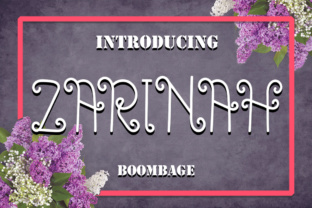
In the world of typography, fonts play a crucial role in conveying tone, style, and personality. Among the many options available, Zarinah stands out as a distinctive handwriting font that brings a sense of elegance and individuality to any design. With its flowing curves and organic structure, Zarinah is more than just a font—it’s a visual language that speaks to creativity and personal expression.
Designed with attention to detail, Zarinah features smooth, fluid lines that mimic the natural motion of handwriting. Each letter is crafted to maintain a consistent rhythm while allowing for subtle variations that make it feel authentic. This balance between structure and spontaneity makes Zarinah ideal for projects that require a human touch, whether in digital or print formats.
The Characteristics of Zarinah
Zarinah’s defining trait is its curved lines, which give each character a soft, graceful appearance. Unlike rigid block fonts, Zarinah’s letters flow seamlessly, creating a sense of movement and energy. The font’s design encourages a sense of warmth and approachability, making it particularly well-suited for personal and artistic communication.
One of the most striking aspects of Zarinah is its versatility. It can be used in both uppercase and lowercase forms, allowing for flexibility in different contexts. The font also includes ligatures—special combinations of characters that enhance readability and aesthetic appeal. These details contribute to a more refined and polished look, especially when used in longer text blocks.
Another notable feature of Zarinah is its legibility. Despite its cursive nature, the font remains easy to read, even at smaller sizes. This makes it a practical choice for headings, titles, and short phrases where clarity is essential. Its balance between style and functionality ensures that it doesn’t sacrifice usability for aesthetics.
Applications of Zarinah in Design
Because of its unique style, Zarinah finds application in a wide range of design projects. One of the most common uses is in greeting cards and invitations, where a personal, handwritten feel can add a special touch. Whether it’s a birthday card, wedding invitation, or thank-you note, Zarinah adds a sense of authenticity that machine-generated fonts often lack.
Graphic designers also use Zarinah in branding and packaging. For businesses looking to convey a sense of creativity or artisanal quality, this font can serve as a powerful visual element. It works well with minimalist designs, where the font itself becomes a focal point, or in more elaborate layouts that incorporate illustrations and textures.
In the realm of digital content, Zarinah is increasingly popular for social media graphics, blog headers, and website banners. Its elegant curves make it an excellent choice for headlines that need to capture attention while maintaining a sophisticated look. When paired with complementary colors and imagery, Zarinah can elevate the overall visual appeal of a design.
Advantages of Using Zarinah
One of the primary advantages of Zarinah is its ability to evoke emotion. Handwritten fonts often feel more personal and genuine, which can resonate with audiences on a deeper level. This emotional connection is especially valuable in marketing materials, where building trust and rapport is key.
Zarinah also offers a high degree of customization. Many versions of the font include alternate characters and stylistic sets, allowing users to tailor the look to their specific needs. This flexibility makes it a go-to choice for designers who want to experiment with different visual styles without compromising consistency.
From a technical standpoint, Zarinah is optimized for cross-platform use. It is available in multiple file formats, including OTF and TTF, ensuring compatibility with a wide range of design software. This accessibility makes it easy for both novice and experienced users to integrate the font into their workflow.
Considerations When Using Zarinah
While Zarinah is a powerful tool, it’s important to consider its limitations. Because of its cursive style, it may not be the best choice for body text in long documents. In such cases, a more traditional sans-serif or serif font might be more appropriate to ensure readability and reduce eye strain.
Another consideration is the context in which Zarinah is used. While it works well for creative and personal projects, it may not align with the tone of formal or professional settings. For instance, in business reports or academic papers, a more structured font might be preferred to maintain a sense of authority and professionalism.
Finally, users should be mindful of licensing terms when using Zarinah. Depending on the version of the font, there may be restrictions on commercial use or redistribution. It’s always a good idea to review the license agreement to ensure compliance and avoid any potential legal issues.
Exploring the Future of Handwritten Typography
The rise of handwritten fonts like Zarinah reflects a broader trend in design toward authenticity and personalization. As technology continues to evolve, the demand for fonts that feel more human and less mechanical is growing. This shift is evident in the increasing use of cursive and script-style typefaces across various industries.
Designers and creators are also experimenting with combining Zarinah with other fonts to create unique visual identities. For example, pairing Zarinah with a bold sans-serif can produce a dynamic contrast that draws attention and adds visual interest. These combinations allow for greater creative freedom while maintaining a cohesive aesthetic.
As more people embrace the idea of expressing themselves through typography, fonts like Zarinah will continue to play a significant role in shaping the visual landscape. Whether used for personal projects or professional work, Zarinah offers a way to infuse design with personality and charm.