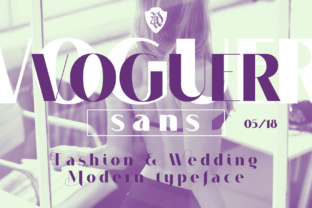
Voguer: The Elegant High-Contrast Sans-Serif Font for Modern and Vintage Aesthetics
Choosing the right font can transform a design from ordinary to extraordinary. Voguer is one such typeface that stands out with its high contrast and elegant structure, making it a favorite among designers who want to blend modernity with vintage charm. Whether you're working on a fashion magazine layout, a branding project, or a personal creative endeavor, Voguer offers a unique visual language that commands attention.
But like any powerful tool, using Voguer effectively requires understanding its strengths and limitations. Many people jump into using it without considering how it fits into their broader design strategy. This article explores what Voguer is, why it's appealing, and how to use it wisely to avoid common pitfalls.
What Is Voguer and Why Does It Matter?
Voguer is a high-contrast sans-serif font inspired by the typography found in high-end fashion magazines. Its sharp lines, dramatic serifs, and refined details give it a look that’s both sophisticated and bold. This makes it ideal for projects that require a sense of luxury, elegance, or artistic flair.
Designers often choose Voguer for its ability to convey a sense of timelessness. It bridges the gap between classic and contemporary, allowing for creative expression without sacrificing readability. However, its strong visual presence means it’s not always suitable for every design context.
Common Mistakes When Using Voguer
One of the most frequent mistakes is overusing Voguer in large blocks of text. While it looks stunning in headlines or logos, it can become difficult to read when used for body copy. This is especially true in digital formats where screen resolution and font rendering play a critical role.
Another mistake is not considering the font’s weight and style variations. Voguer comes in multiple weights, and choosing the wrong one can throw off the balance of your design. For example, using a light weight for a headline might make it appear weak, while a heavy weight could overwhelm a subtle background.
Some users also overlook the importance of proper kerning and spacing. Voguer’s high contrast can make letter spacing issues more noticeable, leading to a less polished appearance. Adjusting these manually or using design software with built-in tools can help maintain consistency.
How These Mistakes Affect Results
Using Voguer incorrectly can lead to poor readability, unbalanced layouts, and a lack of visual harmony. In professional settings, this can undermine the effectiveness of your message or brand identity. For instance, a marketing campaign using Voguer in a confusing or cluttered way may fail to engage its target audience.
From a technical standpoint, improper use can also impact performance. Large files with unnecessary font weights or incorrect formatting may slow down websites or increase loading times, which is a critical factor for user experience and SEO.
Practical Advice for Using Voguer Effectively
To get the most out of Voguer, start by identifying the specific needs of your project. Ask yourself: What message do I want to convey? Who is my audience? What tone should the design have? These questions will guide you in determining whether Voguer is the right choice.
If you decide to use Voguer, limit its application to key elements like headings, titles, or logos. Pair it with simpler, more readable fonts for body text to create a balanced hierarchy. For example, use Voguer for a main title and a sans-serif like Helvetica for supporting content.
Before finalizing your design, test Voguer in different contexts. View it on various devices and screen sizes to ensure it remains legible and visually appealing. Also, check how it interacts with other design elements like colors, images, and backgrounds.
What to Check Before Using Voguer
Before downloading or purchasing Voguer, verify that it’s licensed for your intended use. Some fonts have restrictions on commercial projects, and violating these terms can lead to legal issues. Always review the license agreement carefully.
Consider the file format and compatibility. Voguer may be available in different formats such as OTF, TTF, or web fonts. Choose the one that best suits your workflow and platform. For web use, ensure it’s optimized for fast loading and cross-browser support.
Finally, explore alternatives if Voguer doesn’t fit your needs. There are many high-contrast sans-serifs that offer similar aesthetics but may be more versatile for different applications. Tools like Google Fonts or Adobe Fonts can help you find the right match.
Conclusion: Make Informed Choices with Voguer
Voguer is a powerful font that can elevate your design work when used thoughtfully. By avoiding common mistakes and following practical guidelines, you can harness its elegance without compromising readability or functionality. Remember, the goal is to enhance your message, not overshadow it. With the right approach, Voguer can become a valuable asset in your design toolkit.