Wellston: A Modern Sans Serif Font for Versatile Design Needs
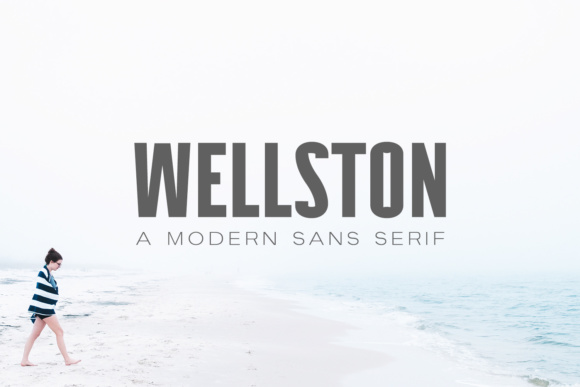
Wellston is a contemporary sans serif typeface that combines elegance with functionality. Its clean lines and balanced structure make it suitable for a wide range of design applications. With 12 distinct weights, including regular, thin, light, medium, outline, smooth, and their corresponding italics, Wellston offers flexibility for both digital and print projects.
The font's versatility is one of its key strengths. Whether used in logos, presentations, or editorial layouts, Wellston maintains a cohesive visual identity. Its design allows for clear readability in both small and large sizes, making it an excellent choice for designers looking for a reliable typeface across different mediums.
What Makes Wellston Distinct?
Wellston stands out due to its modern aesthetic and attention to detail. The font features a slightly open x-height, which enhances legibility while maintaining a refined appearance. This characteristic makes it particularly effective in body text scenarios where clarity is essential.
Another distinguishing feature is the font’s wide-set spacing in all caps. This makes it ideal for headings, titles, and display text where a more sophisticated look is desired. When used in lowercase letters, Wellston retains a timeless quality, offering a balance between classic and contemporary design elements.
The inclusion of multiple weights and italics adds to the font’s adaptability. Designers can choose the appropriate weight based on the project’s needs, ensuring that the typography complements the overall visual hierarchy without overwhelming the composition.
Comparing Wellston with Similar Fonts
When considering alternatives to Wellston, several other modern sans serif fonts offer similar characteristics. For instance, fonts like Montserrat and Open Sans are widely used for their clean, versatile designs. However, each has its own unique traits that may influence a designer’s choice.
Montserrat, for example, is known for its geometric structure and strong vertical strokes. It works well in both digital and print formats but may not offer the same level of subtlety as Wellston. Open Sans, on the other hand, is highly readable and often used in web design. While it provides a neutral and professional look, it lacks the distinctive flair that Wellston brings to a project.
Fonts such as Lato and Raleway also share similarities with Wellston in terms of readability and modern appeal. Lato, with its rounded edges, offers a softer appearance, while Raleway emphasizes a more minimalist approach. These variations mean that the choice of font often depends on the specific design goals and the tone the project aims to convey.
Best Use Cases for Wellston
Wellston excels in scenarios where a polished yet approachable design is needed. Its ability to work well in both uppercase and lowercase forms makes it suitable for branding materials, such as logos, business cards, and packaging. The font’s clean lines ensure that it remains legible even when scaled down, which is crucial for smaller design elements.
In editorial contexts, Wellston can be used for headlines, subheadings, and body text. Its balanced proportions allow it to integrate seamlessly into layouts without disrupting the flow of content. For digital projects, such as websites and mobile interfaces, the font’s readability and adaptability make it a strong candidate for user-facing text.
For print media, including magazines, posters, and advertisements, Wellston provides a consistent visual language that enhances the overall design. Its versatility means that it can be used across different sections of a publication, maintaining a unified style throughout.
Strengths and Limitations of Wellston
One of Wellston’s main advantages is its broad range of weights, which allows for greater typographic control. This makes it easier to create visual contrast and hierarchy within a design. Additionally, the font’s subtle details contribute to a more refined appearance, setting it apart from more generic sans serif options.
However, Wellston may not be the best choice for every project. In cases where a more dramatic or unconventional typeface is required, other fonts might be more appropriate. For example, a bold, decorative font could better suit a creative or artistic project, whereas Wellston’s understated nature might not provide the same impact.
Another consideration is the font’s availability. While Wellston is widely used, it may not be included in all design software by default. This means that users may need to purchase or license the font separately, which could be a factor in budget planning.
When to Choose Wellston
Wellston is an excellent option for designers seeking a reliable and adaptable typeface. It is particularly well-suited for projects that require a professional yet modern look. For businesses looking to establish a strong brand identity, Wellston can serve as a foundational element in their visual strategy.
If a project involves a mix of digital and print media, Wellston’s versatility ensures that the typography remains consistent across platforms. This is especially important for multi-channel marketing campaigns, where a cohesive visual presence is essential.
For designers who prioritize readability and aesthetics, Wellston offers a balanced solution. Its clean design and wide range of weights make it easy to use in various contexts, from simple text blocks to complex layouts.
Alternatives to Consider
While Wellston is a strong choice, there are other fonts that may better suit specific needs. For instance, if a more geometric or structured look is preferred, fonts like Futura or Bebas Neue could be considered. These options often have a more pronounced visual identity, which may be desirable for certain design styles.
For projects requiring a more traditional or elegant appearance, serif fonts such as Georgia or Garamond might be more appropriate. These fonts add a sense of sophistication and can complement more formal or literary content.
Ultimately, the decision between Wellston and other fonts depends on the project’s requirements, the intended audience, and the overall design vision. Exploring different typefaces and testing them in real-world scenarios can help identify the most suitable option.
Conclusion: Making an Informed Decision
Wellston is a well-rounded font that offers a blend of modernity and functionality. Its diverse range of weights, readability, and adaptability make it a valuable tool for designers working on a variety of projects. However, it is important to consider the specific needs of each design and evaluate how Wellston fits into the broader context.
By understanding the strengths and limitations of Wellston, designers can make informed choices about when and how to use it. Whether used for branding, editorial work, or digital interfaces, Wellston provides a reliable and aesthetically pleasing solution for those seeking a versatile sans serif typeface.